When Should You Buy Your First Set of Bagpipes?
Dec 14, 2025
You’ll never forget the moment you pick up a real set of bagpipes for the first time. It’s equal parts thrill, fear, and “wow, this is heavier than I expected.”
But before you get to that milestone, there’s one big question every new piper wrestles with: When should I actually buy my first set?
If you’ve Googled “When should a beginner buy bagpipes?” you’ve probably found about 12 different answers, a hundred opinions, and at least one internet stranger insisting you wait five years...or more!
Let’s cut through the noise and talk about what actually matters.
Buying your first set of pipes is a huge milestone – exciting, a little nerve-racking, and full of second-guesses. So how do you know you're actually ready?
Let’s break it down with practical examples and real-world piping wisdom.
Start on the Practice Chanter (and Why It Matters)
Every piper, no matter their age or experience level, should begin learning with the practice chanter. This is where you learn:
-
Fingerwork
-
Embellishments
-
Rhythm
-
Basic tunes
-
The muscle memory you must have before adding a bag and drones
Most learners stay on the chanter for several months, but it’s not about time. It’s about milestones, not calendars.
Milestones That Mean You’re Ready for a Set of Bagpipes
1. You Can Play a Few Tunes End-to-End
Can you get through simple tunes like “Amazing Grace,” “Scots Wha Hae,” or “Auld Lang Syne” without stopping? They don’t have to be perfect, but having a good flow and rhythm are the key.
2. Your Basic Technique Works
You should be able to play basic grace notes and simple embellishments, even slowly. If your fingers move cleanly and confidently, you’re building the foundation the pipes demand.
3. You Actually Enjoy Practicing
This one is important. If you look forward to picking up the chanter, experimenting with tunes, or reviewing lessons, you’ll absolutely benefit from adding the pipes. If practice feels like a slog, give yourself a bit more time.
4. Rhythm Concerns? Don’t Panic.
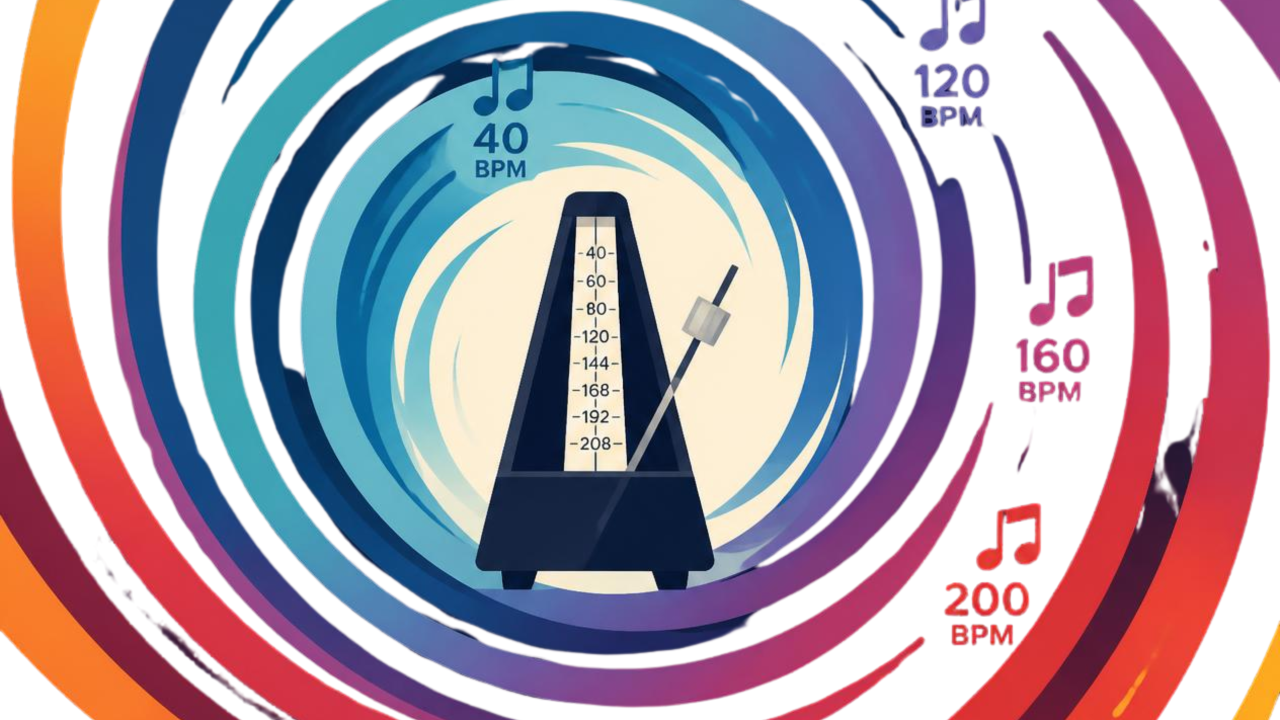
Lots of learners worry about rhythm. Here’s the truth: rhythm is a learned skill, not an inborn gift. Consistent practice fixes it, especially if you use a metronome to keep a steady target. Don’t wait for “perfect rhythm”, because that day will never magically arrive. Playing the pipes actually helps sharpen your timing.
Why You Might Want to Get Pipes Sooner Than You Think
A lot of pipers fear getting pipes too early. But there are real benefits to stepping up sooner:
-
Huge motivation boost. Nothing fires up your practice habits like owning the real thing.
-
Essential skills can only be learned on pipes. Steady blowing, drone tuning, and strike-ins simply aren’t possible on the practice chanter.
-
Keeps your momentum going. Many learners get stuck on the practice chanter and even give up entirely because they wait too long to move on.
You don’t need to be a chanter master. You just need a foundation.
But Don’t Fall Into These Traps
1. Don’t Rush If You’re Struggling
If you can’t yet play a simple tune, or you’re not practicing consistently, waiting is perfectly fine.
2. Pipes Won’t “Fix” Chanter Problems
If you’re stuck because you’re avoiding basics like clean fingerwork or rhythm, pipes won’t magically make things easier.
3. Don’t Abandon Your Chanter
The best pipers go back and forth, and all pipers will use a practice chanter in a band setting, so it's not a 'beginner' version of bagpipes by any means. Use your practice chanter to work on clean fingerwork (and avoid angry neighbors!). Use your bagpipes to build your blowing strength and stamina. You’ll use both forever.
A Very Important Warning About What to Buy
This part matters a lot:
Do NOT buy a practice chanter or bagpipes without advice from someone who knows what they’re doing.
The market is full of cheap, shiny, terrible instruments. They look great on your wall but will never tune properly – and will make learning 10 times harder.
A good beginner setup costs (in late 2025):
-
Practice chanter: around $80–150 for a standard plastic model
-
Bagpipes: starting around $1000 for a reliable, basic set, though often a bit more for extra parts and accessories
But don’t worry; if you’re a complete beginner, you won’t need pipes for several months.
Whenever you’re ready to buy, get guidance from a qualified piper or instructor. It can save you hundreds of dollars and months of frustration.
The Bottom Line: When Should You Buy Your Pipes?
Buy your first set when:
-
You can play a couple of tunes
-
You have basic technique under control
-
You enjoy practicing
-
You feel excited (and a little nervous!) about the next step
Don’t wait for perfection. Don’t wait for “someday.” With consistent practice and the right mindset, this is the beginning of a steady, rewarding journey, where every tune, every improvement, and every moment you stir a listener’s soul is proof that the work was worth it.
When you’re ready, take the leap.
Your future self – bag tucked under your arm, drones humming beautifully – will thank you.
Stay connected - subscribe to our free Weekly Digest!
Get bagpipe knowledge delivered to you every Monday! Tips and tricks, podcasts, special offers, and more.
We hate SPAM. We will never sell your information, for any reason.