The Truth About Bagpipe Tone Enhancers
Jan 19, 2026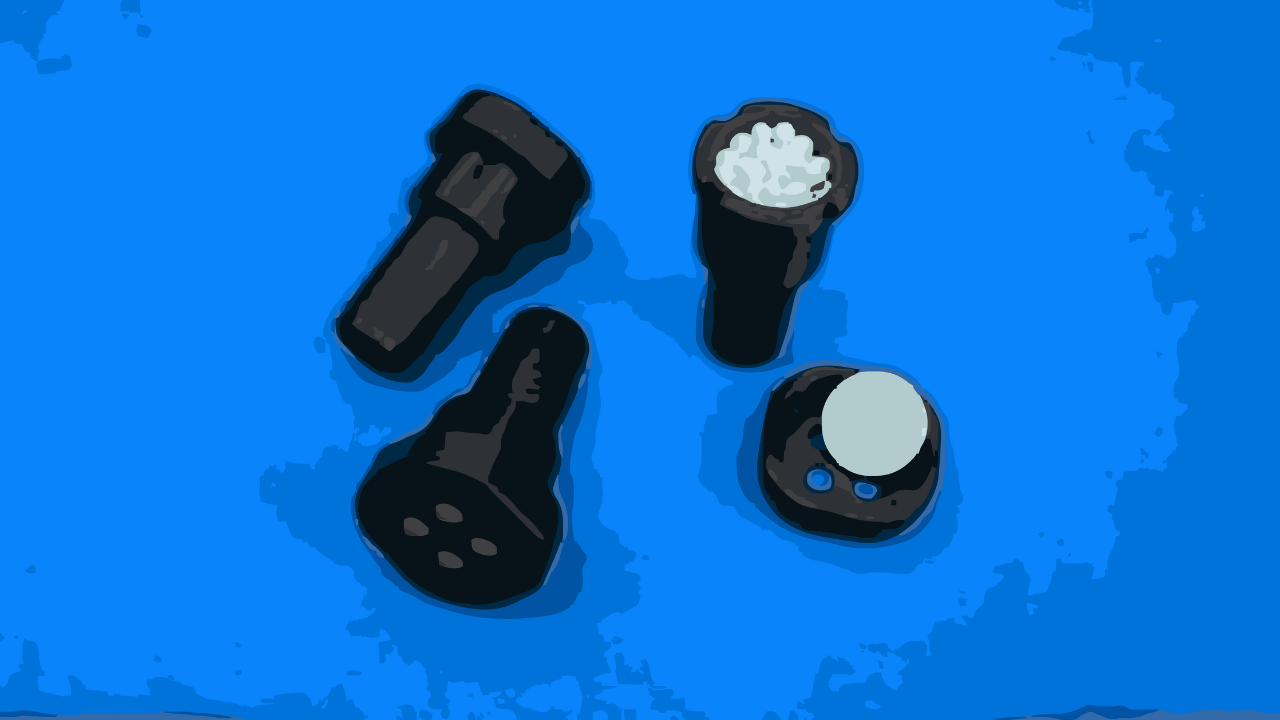
If you’ve been playing bagpipes for a while, chances are you’ve come across tone enhancers – those little devices tucked into your drone stocks that promise perfect strike-ins and clean cutoffs every time.
They’re marketed as problem-solvers. And to be fair, they do solve problems.
But here’s the uncomfortable truth: tone enhancers might be quietly holding back your development as a piper.
What Tone Enhancers Actually Do
Tone enhancers act like gate valves inside your drone stocks. When there’s not enough pressure, they clamp shut. When pressure reaches a certain level, they open.
That means:
-
No embarrassing pre-strike-in squawks
-
Clean cutoffs without rogue drones lingering on
-
More consistency when conditions are less than ideal
On paper, it sounds perfect. And for many pipers – especially beginners or parade band players – they feel like a miracle cure.
The problem isn’t that they don’t work. It’s that they work too well.
The Hidden Cost of Convenience
When you install tone enhancers, you’re outsourcing two of the most fundamental piping skills:
-
The strike-in
-
The cutoff
These aren’t just ceremonial flourishes. They’re core competencies that separate adequate pipers from truly solid ones.
Think of tone enhancers like permanent training wheels. You can ride around the block just fine, but you’re never really learning balance.
Sooner or later, something strange starts happening.
A common example: you tap off a drone to tune… and it won’t stay off. It keeps creeping back on. The valve is reacting to pressure changes inside the stock and reopening on its own – and suddenly you’re fighting your own setup.
The Unpredictability Problem
Anything you put inside your drone stocks changes how your drone reeds behave.
With a clean, standard setup:
-
You make a change
-
You adjust the tuning screw
-
You get a predictable result
With tone enhancers:
-
You make a change
-
Sometimes nothing happens
-
Sometimes something weird happens
You end up troubleshooting problems that wouldn’t exist in a simpler system. You’ve added complexity to solve a problem that good technique would solve naturally.
What Happens When You Remove Them
Let’s be honest: removing tone enhancers is uncomfortable.
You’ll quickly discover two things:
-
You never really learned to strike in properly
-
You never really learned to stop your pipes cleanly
That can be confronting, especially if you’ve been playing for years. But here’s the encouraging part: once you work through that transition period, your pipes will sound noticeably better. Not just a little better – significantly better.
Your drones will respond more naturally. Your tuning will be more stable. And your control over the instrument will improve across the board.
Make Changes Slowly
If you’re ready to move on from tone enhancers, do it gradually. Don’t rip all three out at once.
Start with the two tenor drones – especially the one that’s been giving you trouble. This lets you isolate whether the middle drone is actually the culprit or if something else is going on in your setup.
Your goal is to build a balanced system where all three drones work together naturally. Yes, it’ll take some adjustment. Yes, you’ll need to relearn some fundamentals. But that’s where real progress happens.
When Tone Enhancers Do Make Sense
There are situations where tone enhancers are genuinely useful.
Parade bands are a great example. When you’re marching, dealing with changing weather, uneven terrain, and long sets, reliability sometimes matters more than refinement. In those cases, tone enhancers can be a practical tool.
The key is understanding what they are: training wheels, not a permanent solution.
The Bottom Line
Tone enhancers are security blankets. They provide comfort and solve immediate problems, but they also hide where your next step should be.
The pipers you admire most probably aren’t using them. They’ve developed the skills to control their instruments naturally – and that’s what gives them their sound quality and consistency.
If you’re using tone enhancers now, that’s okay. But if you’re serious about progressing toward better tone and better control, consider letting go of the security blanket.
The transition might be uncomfortable, but on the other side is a level of control and sound quality you simply can’t achieve with devices doing the work for you.
Sometimes the best way forward is trusting that you’re capable of more than you think.
Stay connected - subscribe to our free Weekly Digest!
Get bagpipe knowledge delivered to you every Monday! Tips and tricks, podcasts, special offers, and more.
We hate SPAM. We will never sell your information, for any reason.