Playing the Bagpipes in Cold Weather: What Actually Works
Jan 04, 2026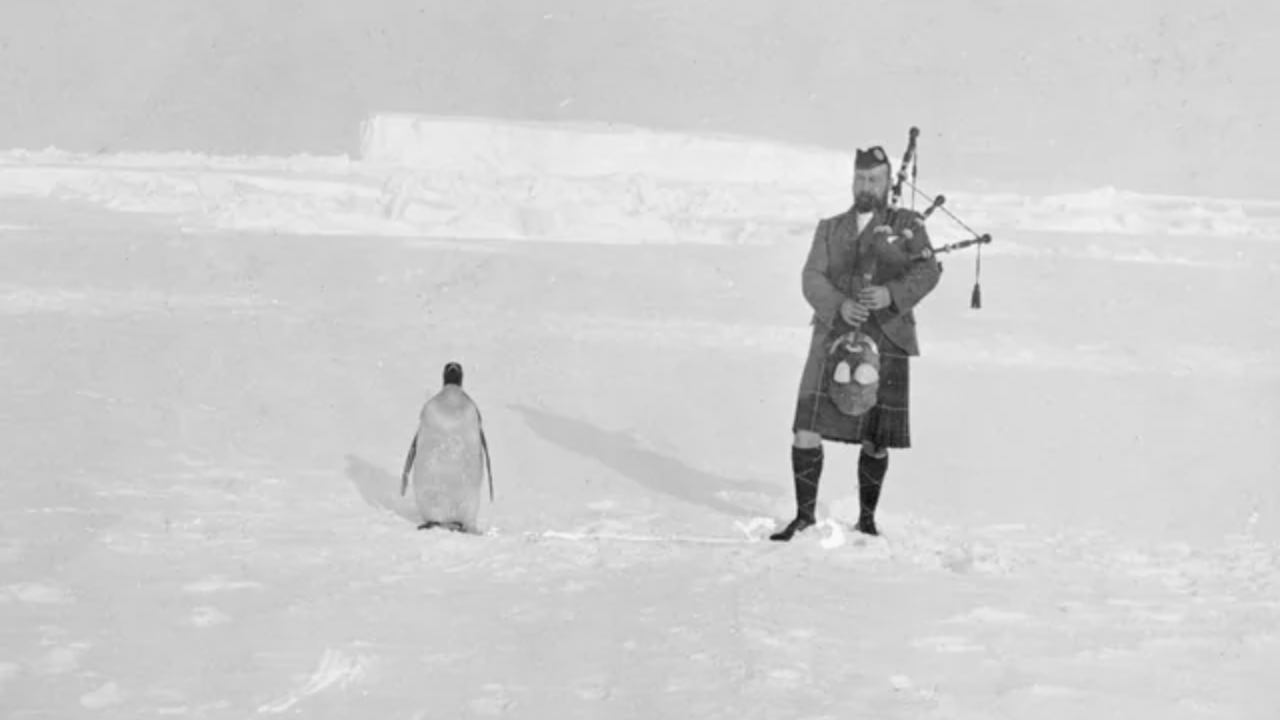
If you’ve ever played a Christmas parade, dawn service, winter competition, or outdoor gig where you can’t feel your fingers, you already know this truth: playing the bagpipes in cold weather is hard. Not “a bit uncomfortable” hard – genuinely awkward, unpredictable, and sometimes borderline ridiculous.
The pipes don’t behave the same. Your body doesn’t behave the same. And no matter how prepared you think you are, the cold always has a say.
That said, there are ways to make cold-weather playing more survivable – and to avoid some of the most common mistakes pipers make when temperatures drop.
Pick the Right Tool for the Job
If you regularly play outdoors in cold conditions – parades, ceremonies, winter events – poly pipes are your friend. They’re tough, stable, and far less likely to crack or warp when temperatures swing quickly. That’s why you’ll see them everywhere in military and high-exposure settings.
Does that mean wooden pipes are a bad idea? Not at all. Plenty of pipers use wood year-round with no issues. The key question is how often you’re exposing them to the cold. If it’s once or twice a year, careful handling is usually enough. If it’s every weekend, poly pipes offer peace of mind.
Think of it like rain gear: you don’t need a full expedition jacket for a light shower, but if you’re out in it constantly, the upgrade makes sense.
Moisture Is the Real Enemy
Cold weather itself isn’t what causes most problems – condensation is.
Warm, moist air from your breath hits cold pipes and instantly turns into water inside the instrument. That’s what leads to tuning instability, gurgling drones, soaked hemp, and sometimes pipes that simply refuse to cooperate.
A moisture control system like a Ross canister can help a lot if you play in the cold regularly. It keeps air drier and slows the condensation process. But it’s not mandatory for everyone.
A simpler (and often more important) habit is what you do after playing. Always take your pipes apart. Let everything air out. Check the bag, the hemp, and anywhere moisture can hide. This single step prevents more damage than most gadgets ever will.
Some pipers also use removable moisture inserts or “bananas” for colder gigs. They’re a flexible middle ground – easy to add when needed, easy to remove when you don’t.
Find Your Own Cold Threshold
There’s no universal temperature where pipes suddenly stop working. Some pipers struggle below 18°C. Others can play well below that without major issues. Your setup, climate, reeds, and playing style all matter.
The only real way to know your limits is to test them. Play outside. See how long things stay stable. Pay attention to when tuning starts drifting or reeds become unreliable.
And yes – sometimes things will go wrong. Reeds freeze. Bags get soggy. Drones misbehave. That’s not failure; that’s experience. Every cold-weather disaster teaches you something useful for the next one.
Don’t Chase a Perfect Solution
This is the big mindset shift: cold-weather piping is never going to feel easy.
No setup makes it feel like a warm practice room. No moisture system eliminates all issues. At some point, adding more gear just adds more complexity.
Instead, aim for “good enough to get through the job.” Keep your setup simple. Focus on steady blowing, solid fundamentals, and staying relaxed. Accept that it won’t be perfect – and that’s okay.
Enjoy the Stories You’ll Tell Later
Cold-weather gigs tend to be the ones pipers remember most, with frozen fingers, questionable tuning, and the shared misery of a parade that feels twice as long as it should.
They’re uncomfortable, sure – but they’re also part of what makes piping memorable. They build resilience, adaptability, and confidence in your ability to cope when conditions aren’t ideal.
So rug up, look after your pipes, dry everything thoroughly afterward, and don’t let the cold scare you off. The pipes have survived worse – and so have pipers.
Stay connected - subscribe to our free Weekly Digest!
Get bagpipe knowledge delivered to you every Monday! Tips and tricks, podcasts, special offers, and more.
We hate SPAM. We will never sell your information, for any reason.