How to Mic Bagpipe Drones (Without Making Them Sound Awful)
Nov 02, 2025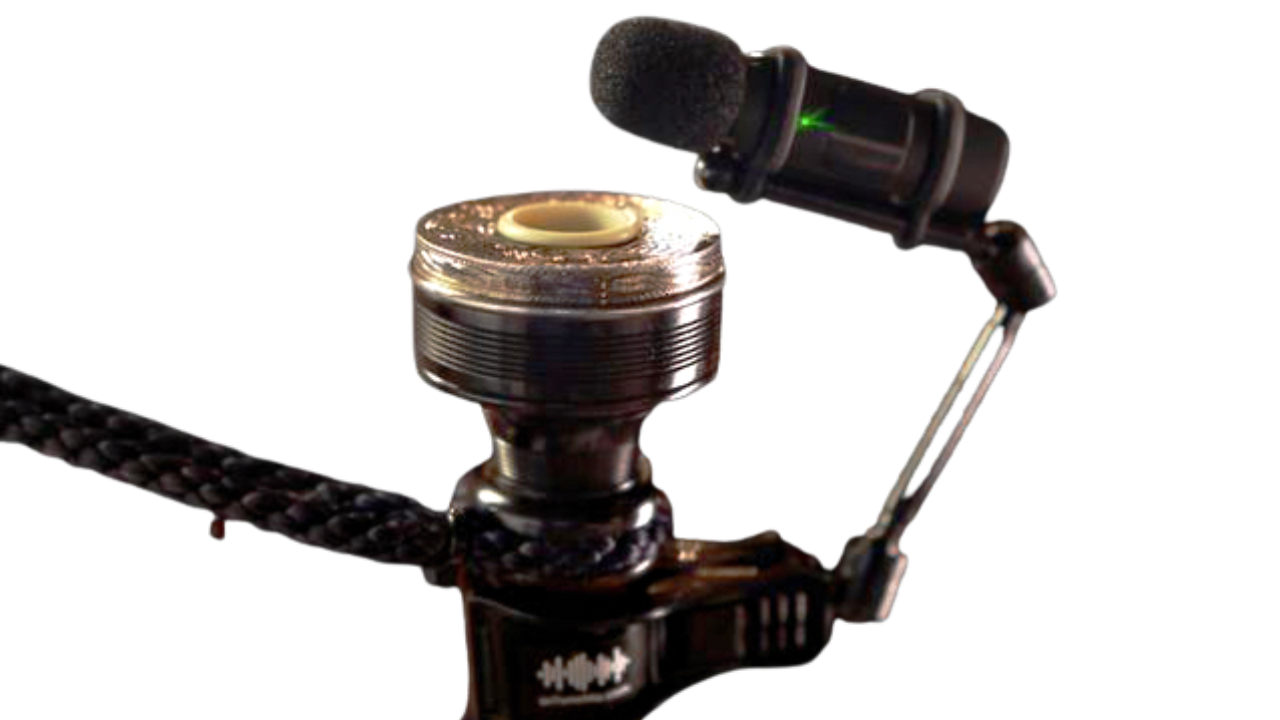
If you’ve ever tried to amplify or record your bagpipes, you already know: getting the drones to sound right can be… tricky.
Using a microphone for bagpipe drones isn’t just about sticking a microphone near the pipes and hoping for the best. It’s a balancing act, which is heavily influenced by your venue, your gear, and your goals.
Why Drones Are So Hard to Mic
Unlike most instruments, the bagpipe’s sound doesn’t come from one tidy spot. You’ve got the chanter blasting melody from the front and three drones humming powerfully over your shoulder. The drones give you that unmistakable wall of sound, but they can also swamp a mix fast.
Most sound engineers aren’t used to handling the complicated setup of the pipes, and their first instinct is to throw a mic near each drone. That usually backfires: too much low-end rumble, too much phase interference, and suddenly your “rich drone tone” turns into a muddy mess that makes the whole band sound worse.
So the question becomes…
Do You Even Need to Mic the Drones?
Before you spend money on fancy gear, stop and ask: Do I really need to mic the drones at all?
In most small- to mid-sized settings — pubs, halls, outdoor gigs — your drones will naturally carry just fine. Often, it’s the chanter that needs the boost so it doesn’t get lost among guitars, fiddles, or drums. After all, that's where the melody comes from. Plus, if the drones will get lost in the mix anyway, it can be easier to play by corking them so you don't have to worry about strike ins and cut offs.
That said, there are times when micing the drones is worth the effort — large concerts, outdoor performances, or professional studio recordings, especially if the atmospheric drone sound is an important part of the creative mix for that performance.
The goal isn’t to make them louder, but to add depth, texture, and that authentic “bagpipe hum” to your overall mix.
The Gear That Actually Works
If you do decide to mic your drones, a gooseneck-style mic holder is your new best friend. These flexible mounts clip onto your pipes and let you position the mic exactly where you need it — usually just off the bass drone, angled slightly toward the reed.
For microphones, look for clip-on condensers that can handle low frequencies and live performance. Pipers have had good luck with models from Shure, Audio-Technica, and DPA (note we're writing this in late 2025, so those recommendations could evolve if you're reading this later). These brands are built tough, deliver clear tone, and can take a bit of movement without feedback disasters.
For Live Performances: Less Is More
In live settings, simplicity wins. Instead of trying to mic all three drones, start with just the bass drone. It’s got the most body and gives enough presence for audiences (and sound engineers) to feel the drones without overloading the mix.
Talk to your sound tech ahead of time (as early as possible, and preferably not leaving it to the stress of sound check). Explain that you’re after clarity, not just volume. They’ll appreciate your collaboration, and you’ll avoid the “mute all the drones” emergency during sound check.
Pro tip: try setting your mic a few inches away from the drone rather than pressed right up against it. This helps capture a more natural tone and reduces distortion.
Studio Recording: Your Chance to Experiment
Recording in a studio is a different game. You’ve got control over acoustics, mic placement, and balance, and more than one shot to get it right.
Here’s where you can go wild with experimentation — one mic on the chanter, one or two on the drones, maybe even a room mic to capture the ambient blend.
In the studio, high-end condenser mics really shine. Use isolation booths or blankets to manage bleed, and don’t be afraid to move the mics around. A few inches can change everything.
Learn from the Pros (and Steal Their Tricks)
Some of the best insights come from pipers who’ve been there: players who’ve performed with pipe bands, folk groups, orchestras, or rock acts like the Red Hot Chilli Pipers and the Rolling Drones.
Reach out, ask questions, or watch interviews where they talk about their setups. Many will happily share their mic preferences and placement tricks if you show genuine interest.
Final Thoughts: Experiment and Adapt
There’s no “perfect” way to mic bagpipe drones. Every piper, every venue, and every sound tech is different.
Start simple — one good gooseneck mic on the bass drone, and a cooperative chat with your engineer. Listen carefully, tweak as you go, and remember: the goal isn’t to make the drones louder. It’s to make them fit — so that unmistakable bagpipe power fills the space beautifully without overwhelming it.
Your drones deserve to be heard… just not too much.
Check out this "Ask Dojo Anything" session as Carl and I chat through this concept, as well as a few other common Q&A topics including why most practice chanters sound like sad recorders, whether synthetic reeds will ever be a thing, and whether tackling band and solo playing at the same time is a dangerous combination.
Stay connected - subscribe to our free Weekly Digest!
Get bagpipe knowledge delivered to you every Monday! Tips and tricks, podcasts, special offers, and more.
We hate SPAM. We will never sell your information, for any reason.