Can Playing in a Band Sabotage Your Solo Piping?
Oct 26, 2025
If you’re juggling both band and solo playing, you’ve probably had that uneasy thought: Is my band style wrecking my solo control?
It’s a fair question, especially when the band seems to sprint through a march at warp speed while solo judges want measured precision.
But before you start blaming your pipe major for all your solo woes, let’s unpack what’s really going on.
The Tempo Trap: When Fast Feels Fun (and Dangerous)
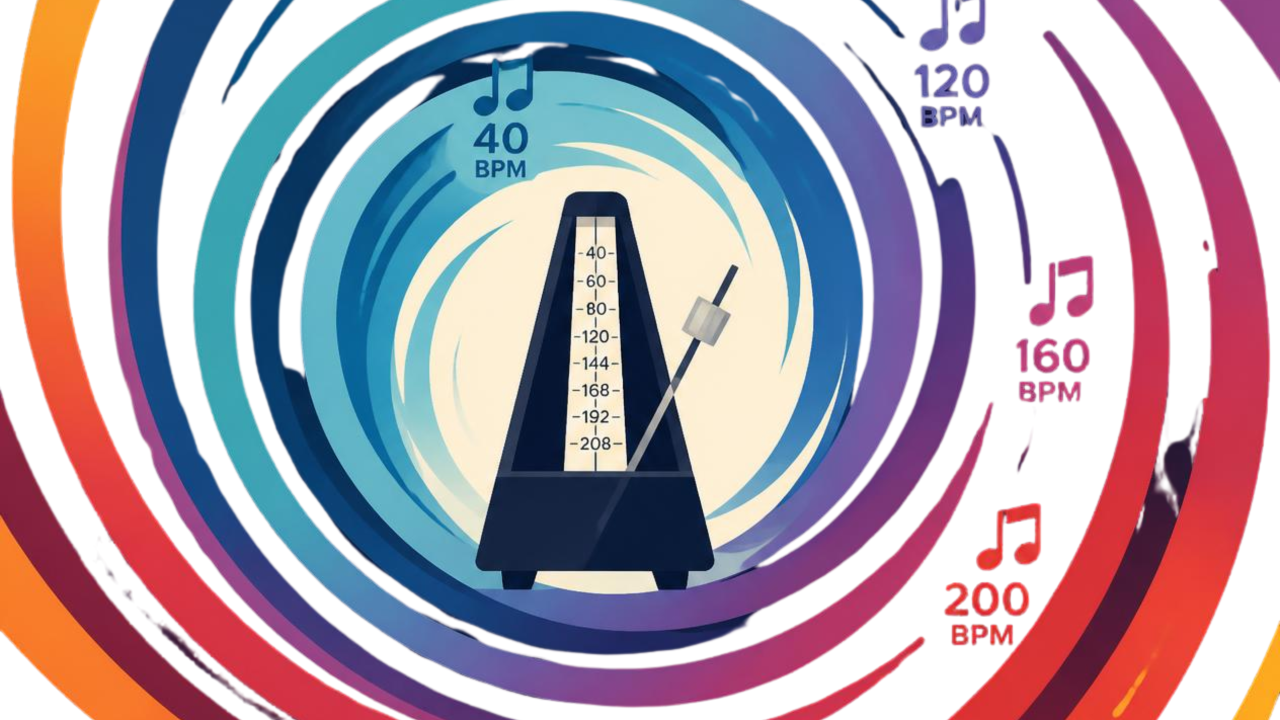
Let’s face it: bands love to play fast. It’s exciting, it’s powerful, and when the ensemble locks in, it’s pure magic. But there’s a catch: that higher tempo can train your fingers (and brain) to live in the “danger zone.”
Think of it like athletics. A sprinter doesn’t train at 100% intensity every single day; they’d burn out or lose form. The same applies to piping. There’s a time and place for high-speed performance, but if you always practice that way, you’re trading polish for adrenaline.
The real problem isn’t the fast tempos in competition, it’s letting those tempos become your default. If your hands never get the chance to relax and refine, your technique and control slowly unravel. You might still sound decent in a band, but when it’s just you and the judge’s clipboard, every tiny wobble suddenly matters.
Control Is Key: Learning to Shift Gears
Here’s the secret: the best pipers don’t just play fast or slow. They own every tempo.
Control is what lets you shift gears smoothly between band and solo playing. That means you can hold your rhythm steady, hit every gracenote cleanly, and shape phrases with intention, no matter how fast (or slow) the tune goes.
For example, if your band tears through “Arthur Bignold of Lochrosque” at a blistering pace, don’t practice it that way all the time. Spend part of your practice session slowing it right down to focus on phrasing, technique, and tone. Once you’ve nailed the details, then bring the speed back up for band rehearsal.
That slow, deliberate work builds the foundation you’ll rely on when things get fast. And it’ll make you a better band player too, because the more control you have, the less you rely on momentum to keep things together.
The Two-Four March Dilemma: A Real-World Example
Here’s a common trap: your band plays “The Balmoral Highlanders” at 96 bpm, but the solo judge wants it at 80. Suddenly, everything feels off. Your hands are rushing, the music sounds tense, and you can’t seem to find your groove.
So how do you balance both? Easy! Practice both tempos.
Work the tune at your solo tempo — slow, steady, and expressive — until it feels natural. Then, switch gears and play it at band tempo to build endurance and ensemble awareness. By doing both regularly, you’ll develop flexibility and confidence instead of frustration.
Once you’ve got the fundamentals locked in, you can handle any speed or situation.
More Than Speed: Building Musical Intelligence
Tempo isn’t the only thing separating band and solo playing. In solos, you control the story. You decide when to lean into a note, when to lift a phrase, and how to let the music breathe.
In bands, though, you'll often have to streamline expression for ensemble tightness. That’s not a bad thing; it’s just a different skill. The trick is knowing how to switch between those mindsets without letting one override the other.
Practicing at different tempos and focusing on expression at all speeds helps build that musical intelligence. When you control every nuance, you can adapt to any context, whether you’re standing in front of a judge or ten other pipers.
If you only ever “blast away” at competition tempo, you’ll hit a ceiling fast. But if you vary your tempo, set clear goals, and give attention to tone, rhythm, and technique, you’ll improve across the board.
Playing in a band can actually help your solo piping, if you approach it the right way. You’ll build stamina, ensemble awareness, and confidence. But solos sharpen your expression, precision, and control.
In the end, both sides make you a stronger musician. Balance the two, practice intentionally, and remember: mastery isn’t about speed. It’s about control.
Check out this Friday Dojo U 'Ask Dojo Anything' session where we discuss this in more detail – as well as many other common questions pipers have!
Stay connected - subscribe to our free Weekly Digest!
Get bagpipe knowledge delivered to you every Monday! Tips and tricks, podcasts, special offers, and more.
We hate SPAM. We will never sell your information, for any reason.