Black vs Yellow Waxed Hemp: Is There a Difference?
Nov 16, 2025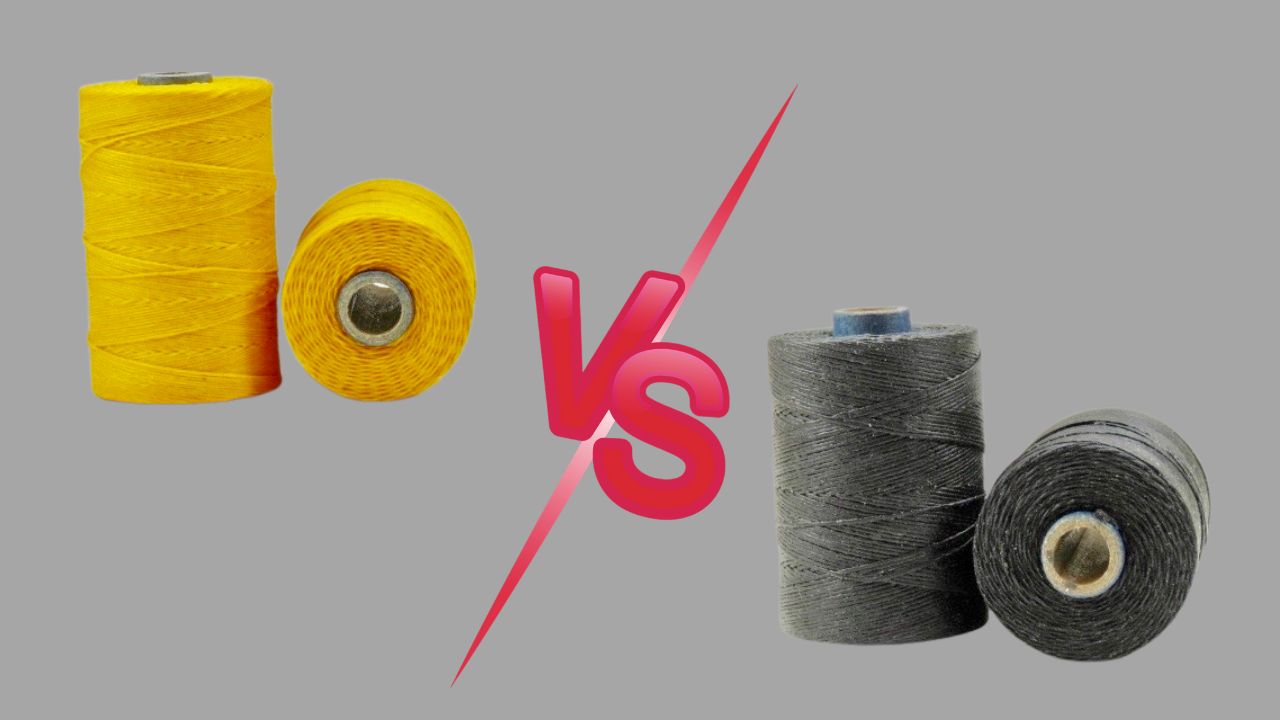
If you’ve ever re-hemped your joints and noticed that your black waxed hemp feels (and behaves) a bit different from your yellow, you’re not imagining things. Pipers love to debate the subtle details — from chanter reeds to drone cords — and hemp color is no exception.
So, is there actually a difference between black and yellow waxed hemp, or is it just a matter of aesthetics?
What Waxed Hemp Actually Does
Before we dive into the color debate, let’s cover the basics. Hemp is what keeps your bagpipe joints airtight. Without it, your pipes would be slipping, leaking, and squealing like a distressed goose.
Waxed hemp is just regular hemp coated in wax, which makes it grippier, longer-lasting, and more resistant to moisture. The wax also helps you get a tighter seal and makes it easier to remove and rewrap when needed.
So far, so good. But once you start comparing black and yellow waxed hemp, you’ll notice some differences in how they feel, perform, and even age.
The Real Differences: Black vs. Yellow
At a glance, the two look pretty similar except for the color. But dig a little deeper, and you’ll find that each has its own personality.
1. Wax Content and Texture
Black waxed hemp is typically more heavily waxed. That makes it stiffer, tackier, and a bit harder to wrap smoothly, but it also creates an extremely solid, airtight seal.
That stiffness can be a blessing or a curse, depending on what you’re doing. For tuning slides or blowpipes that you never want slipping, black hemp can be your best friend. But for joints that you move regularly, like your drone tops, that same stiffness can make them feel sticky or sluggish.
By contrast, yellow waxed hemp is softer and slightly less waxy, so it’s more forgiving when wrapping. It’s ideal for areas where you want a smooth fit that’s easy to adjust.
Pro tip: Some pipers mix the two: black for the lower layers, yellow on top for a smoother finish.
2. Water Resistance and Grip
Black hemp’s extra wax gives it excellent water resistance. If you play in wet conditions (looking at you, outdoor competition season), it can hold up better over long sessions. The trade-off is that it can feel a bit “gummy,” especially in warmer climates or humid conditions.
Yellow hemp absorbs a little more moisture, but it also gives a more natural feel when sliding joints. It’s a great choice for indoor or dry-weather players who prefer a bit of flexibility over absolute grip.
3. Appearance and Maintenance
Some pipers swear by black hemp purely for looks. It gives the pipes a sleek, polished appearance, especially against silver or nickel mounts. But over time, the dye and wax can rub off on your hands or tuning pins, leaving a faint residue.
Yellow hemp, on the other hand, gives a more “traditional” look and makes it easier to spot when it’s starting to fray or loosen. You can also see when moisture is building up; a small but useful advantage when maintaining your pipes during long sessions.
Which One Should You Use?
There’s no universal “best” hemp. It all depends on what you’re trying to achieve.
Here’s a quick guide:
-
For permanent joints (stocks, blowpipe, tuning pins): Go for black waxed hemp. It’ll stay airtight longer and resist moisture.
-
For movable joints (drone tops, chanter): Choose yellow waxed hemp for smoother adjustments and less stickiness.
-
For a hybrid approach: Start with black on the inner wraps, then finish with yellow for a smooth outer layer.
Some pipers even warm their hemp slightly (with fingers or a hair dryer) before wrapping to soften the wax and help it seat evenly.
The Dojo Mindset: Experiment and Learn
Just like reeds, bags, and blowsticks, hemp is part of your system. The key is not to follow dogma; it’s to experiment. Try both, take notes, and see how your pipes feel and sound.
If your drones are slipping, try adding a few turns of black hemp. If your tuning slides feel tight or jerky, switch to yellow. There’s no one right answer – just the setup that helps you play more comfortably and confidently.
At the end of the day, black and yellow waxed hemp do the same job – but the way they do it can make a subtle difference in how your pipes feel and perform.
Black gives you grip, strength, and durability. Yellow gives you control, smoothness, and adjustability. The best setup might be a blend of both.
So next time you’re re-hemping, treat it as an experiment. Observe, adjust, and fine-tune, just like you would with your tone or blowing. Mastering the little details like this is what separates good pipers from great ones.
Check out this session of "Ask Dojo Anything" as we dive into this topic more, as well as other common questions around topics like band medley creativity, piobaireachd and canntaireachd, and more.
Stay connected - subscribe to our free Weekly Digest!
Get bagpipe knowledge delivered to you every Monday! Tips and tricks, podcasts, special offers, and more.
We hate SPAM. We will never sell your information, for any reason.